


Semua produk
-
Butt Weld Fittings
-
siku stainless steel
-
stainless steel tee
-
Peredam Stainless Steel
-
Tutup Pipa Stainless Steel
-
Duplex Stainless Steel Pipe
-
Stub Stainless Steel Berakhir
-
ditempa pipa Fitting
-
ditempa baja flensa
-
pipa baja karbon api
-
Pipa seamless stainless steel
-
pipa baja dilas
-
Nikel paduan pipa
-
Pelindung Pipa
-
Tabung nikel tembaga
-
pelat baja stainless
-
stainless steel bar
-
Spiral Wound Gasket
-
Cast lembaran akrilik
-
 Brazil --- AimeeDalam peringkat vendor terbaru, TOBO memenangkan peringkat sangat baik, itu bagus, akan terus bekerja sama.
 -
Thailand --- Dave MulroyPipa baja paduan ASTM A213 T9, kualitas stabil, harga bagus, serive bagus, TOBO GROUP adalah mitra terpercaya kami.
-
USA --- AlfaroASTM A182 F55 Flange Super Duplex, Kualitas bagus, kami suka itu! Dan waktu pengiriman dalam waktu juga, sangat profesional.
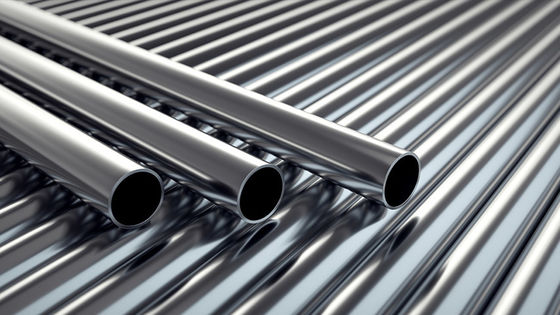
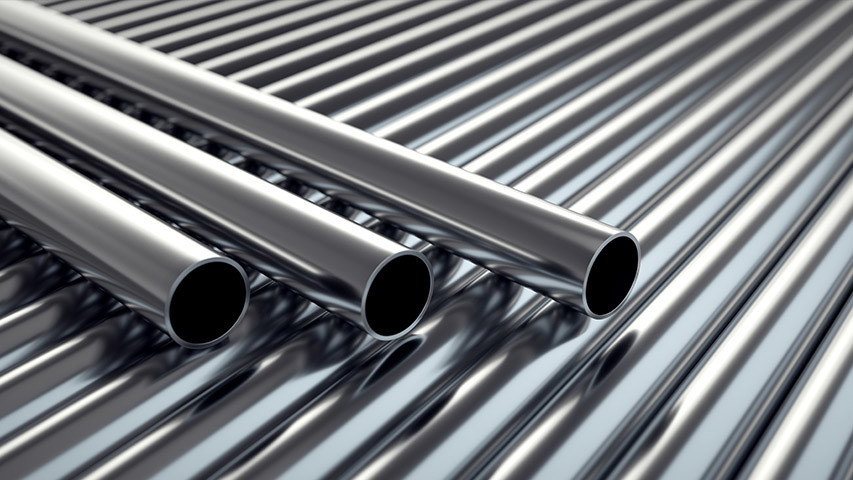
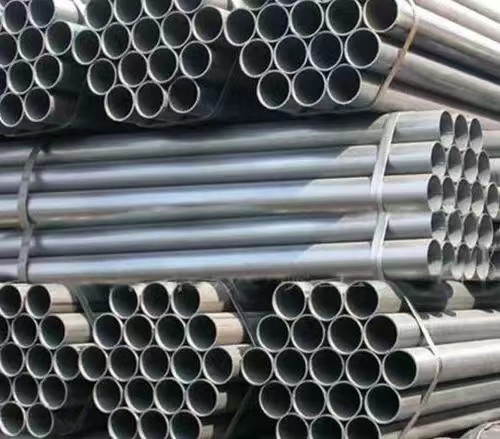
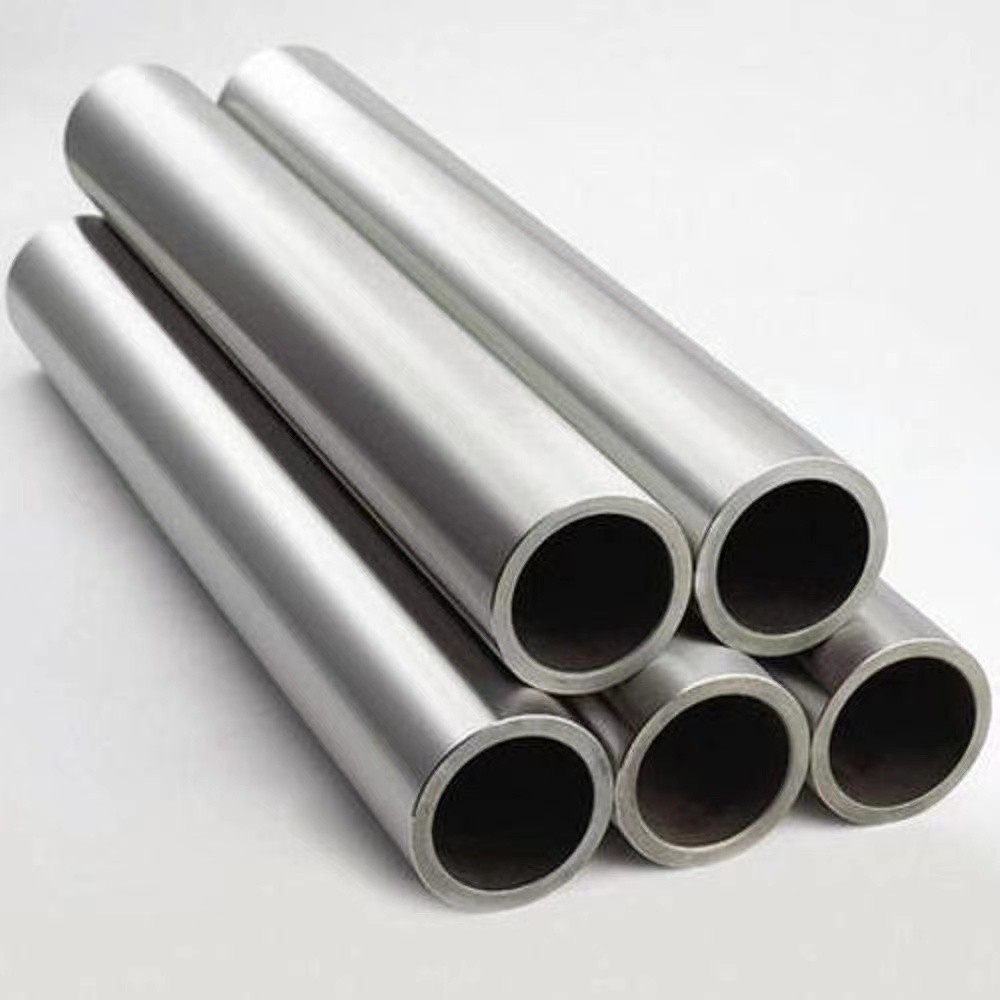
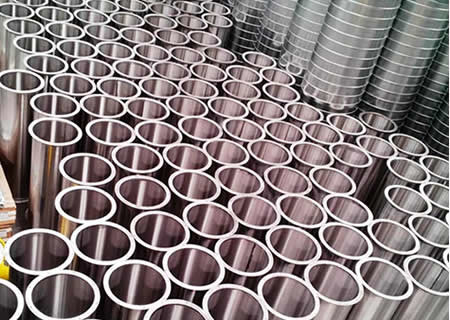
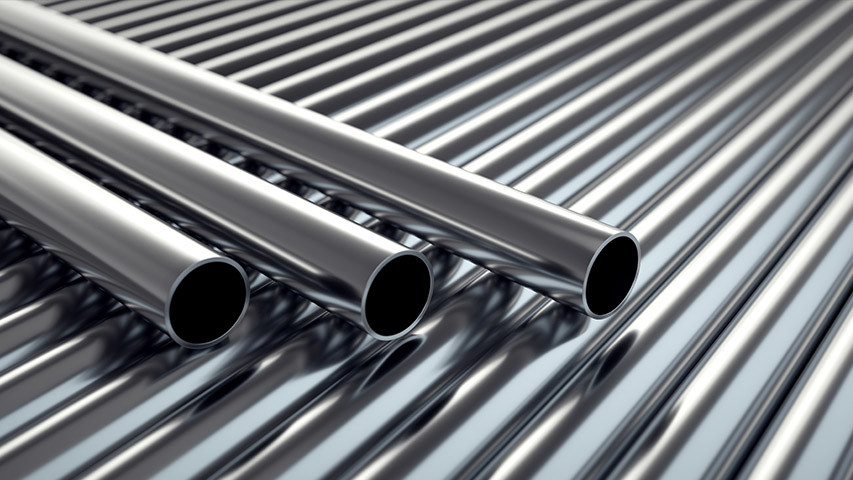
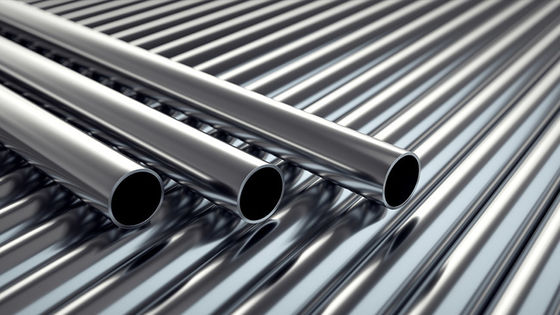
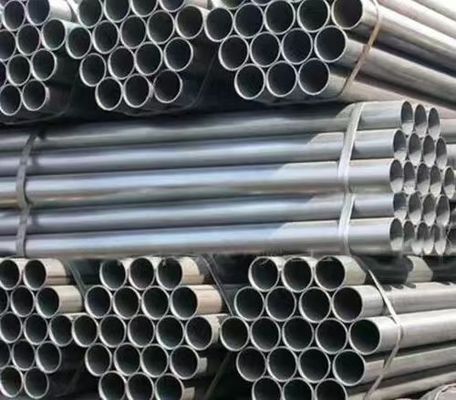
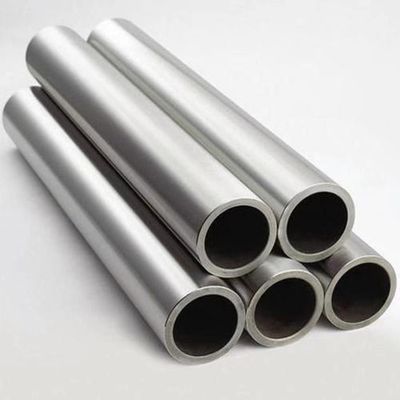
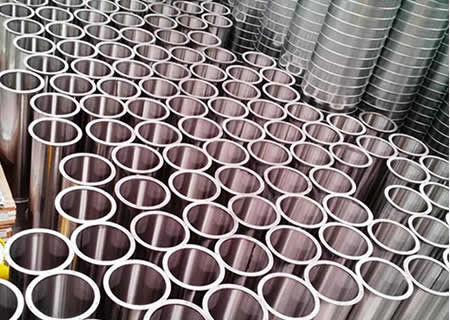
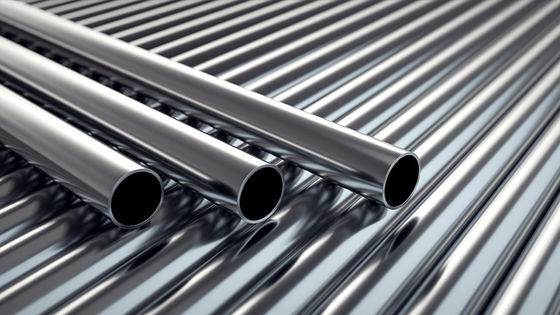
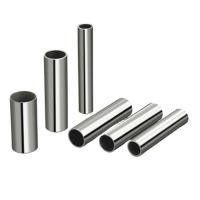
Boiler Superheater TP321H Seamless Stainless Steel Tube High Temperature Resistant
| Place of Origin | Jiangsu, China |
|---|---|
| Nama merek | HANTAI |
| Sertifikasi | ISO 9001:2015, EN 10204 3.1 |
| Model Number | TP321H-A213-630 |
| Minimum Order Quantity | 1 Ton |
| Harga | USD 4000-6000 / Ton |
| Packaging Details | Seaworthy wooden case, end caps, anti rust paper, steel strip bundle |
| Delivery Time | 10-20 days for stock, 25-35 days for production |
| Syarat-syarat pembayaran | T/T,L/C pada pandangan, Western Union |
| Supply Ability | 1400 Tons per Month |
Detail produk
| Nama Produk | Tabung Baja Tahan Karat Mulus Suhu Tinggi Boiler Superheater | Aplikasi | Layanan Boiler Superheater dan Pembangkit Listrik Tenaga Uap |
|---|---|---|---|
| Kelas Bahan | 321H / UNS S32109 / EN 1.4878 | Standar | ASTM A213 / ASME SA213 |
| Elemen Penstabil | Titanium stabil terhadap korosi intergranular | Permukaan Selesai | Acar dan Anil |
| Ketebalan Dinding | 0,5 mm - 30 mm | Proses Manufaktur | Dingin Ditarik Mulus |
| Menyoroti | Boiler Superheater TP321H Tube,High Temperature Seamless Tube,Power Plant Steel Pipe |
||
Deskripsi Produk
Product Overview This Boiler Superheater TP321H Seamless Stainless Steel Tube is engineered for the demanding high-temperature sections of utility and industrial boilers, where creep strength and oxidation resistance determine the working life of the unit. The 321H grade is stabilised with titanium, which ties up carbon and prevents sensitisation, so the steel retains its corrosion resistance even after prolonged exposure to temperatures between 500 °C and 800 °C. Because it
Rekomendasi Produk
